Elements Connected to the Declining Bee Population
ByThe declining bee population is a major ecological concern that has been observed in recent years. Bees play a critical role in pollinating many of the world’s food crops, and their disappearance could lead to a significant reduction in the global food supply. The main causes of the decline are habitat loss, pesticide use, and climate change. In addition, the spread of diseases and parasites, such as the Varroa mite, has also contributed to the decline. The loss of bees has significant implications for the environment and the economy, as it can lead to decreased crop yields, increased food prices, and a loss of biodiversity. Efforts to address this issue include increasing public awareness, improving bee habitat, etc.
Sodium – By itself isn’t a direct endangerment to bees, but the presence environmentally can indirectly endanger them.
Excess sodium can change pH levels in soil, which negatively impacts the plants that bees depend on for food. This reduces the access to nectar and pollen. Although in small amounts sodium is a essential nutrient for bees sodium can disrupt the bees ability to balance their water balance, dehydrating them and leading to death. It can impact their ability to navigate and communicate. If enough bees are impacted be the sodium it can lead to colony collapse.
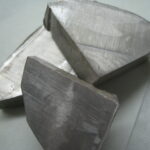
Calcium – Is also another required nutrient for bees to survive it helps maintain exoskeleton and with their muscles.
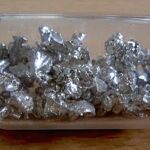
Bees can find dangerously high levels of this in water and nectar, when they find these excessive amounts it leads to crystal formation inside of their digestive systems, interfering with their ability to fully digest food.
Extra calcium also can give them a disease called chalkboard, it occurs in the larvae and is a fungal infection that mummifies the larvae.
Magnesium – this is also a required nutrient and helps them with phycological processes, this helps with metabolism and the nervous system. Bees get their hands on this by finding it in contaminated water and soil. Too much of this interferes with their ability to regulate body fluids, dehydrating them. It also helps absorb other nutrients like calcium and potassium and effects overall health of the bee.